
Turkish hemp: from field to fabric
How hemp is grown in Türkiye, prepared as a textile fibre and blended with organic cotton into yarn and fabric.
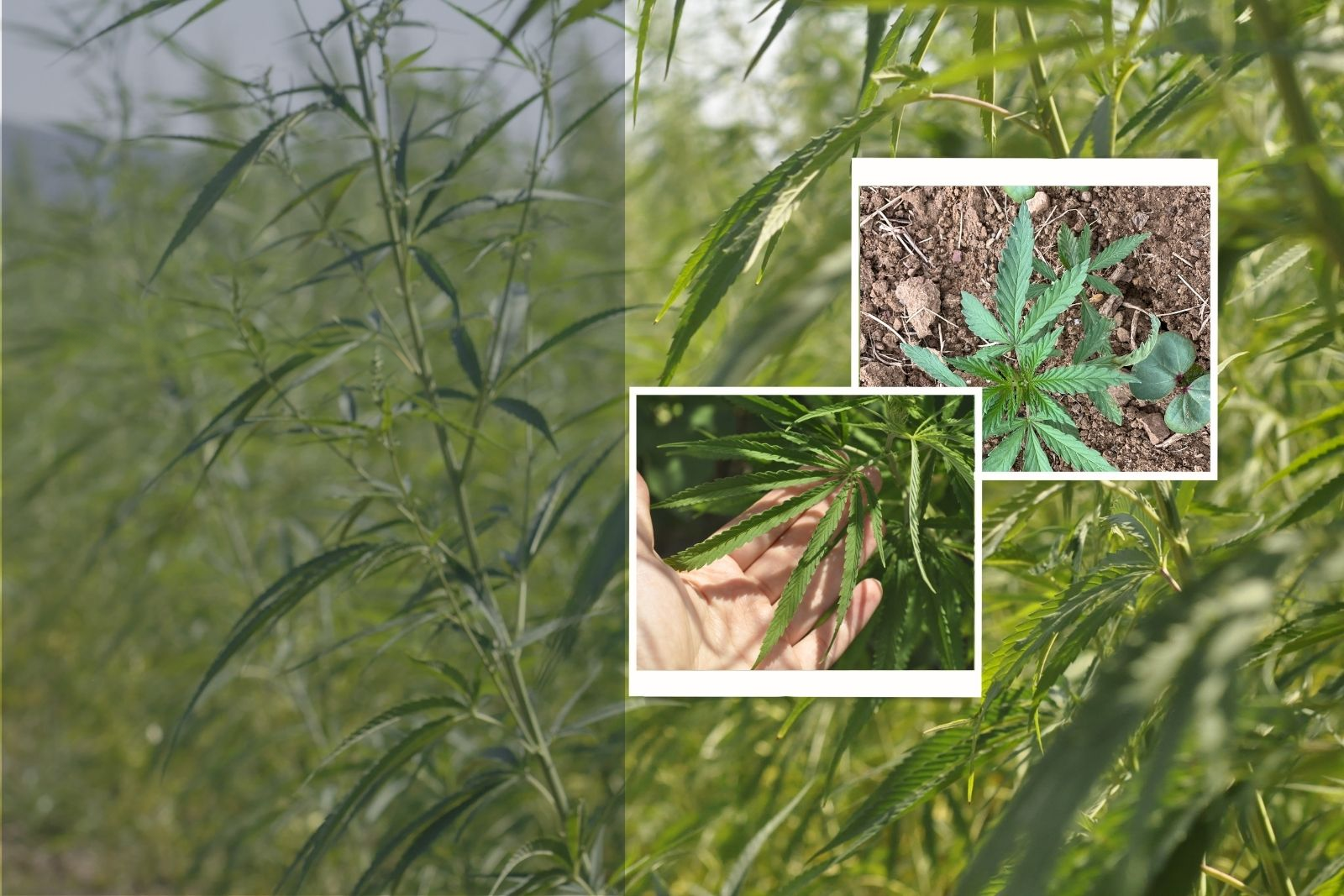
Hemp is one of the oldest textile fibres, and it is returning to Türkiye’s fields. We grow ours in the İzmir region with a regenerative approach, and we grow it for one purpose: textiles.
Grown for textiles
From sowing to harvest, the crop needs less than six months. We cut it before it flowers, because fibre taken at that stage performs better and blends more easily with other fibres. Cutting early also keeps the fibre soft and saves water over the season.
A crop that works for the soil
Below ground, the plant anchors the soil against erosion and leaves it more fertile. Above ground, it asks for very little:
- Water: irrigation demand stays well below that of cotton.
- Pests: farmers can grow it without pesticides, since few pests or diseases trouble the plant.
- Weeds: weeds struggle under the thick canopy, so herbicide use falls.
- Seed: no genetically modified seed is involved.
- Biodiversity: beneficial insects find a habitat in the crop.
From stalk to fibre
Cut stalks stay on the field for about three weeks to dry. A mechanical step then strips the long bast fibres from the woody core, and those fibres go on to textile production. Little of the stalk is wasted: insulation, composites, animal bedding and building materials can all use the leftover hurd and tow.
Why we blend hemp with organic cotton
On its own, hemp is strong, durable and breathable. Repeated washing makes the fabric softer, much as it does with linen. Organic cotton adds softness from the start, so most of our hemp qualities are blends:
- 55% hemp / 45% organic cotton: the quality buyers choose most often.
- 50% hemp / 50% organic cotton poplin: a crisp, smooth fabric for shirts, dresses and light summer trousers.
- 15% hemp / 85% organic cotton sweatshirt fabric: the hemp toughens the knit against abrasion and gives the surface a light slub, for hoodies, joggers and casual jackets.
Our hemp yarns run from Ne 11/1 to Ne 36/1.
What comes next
Seed is the next challenge: varieties bred abroad rarely perform as well under Türkiye’s climate, so researchers here are developing locally adapted ones. Better seed means more consistent fibre for the yarns and fabrics that follow.
Start with a sample
Hemp changes the handle and surface of a fabric, so a sample is the best way to judge a blend. Tell us what you’re making, and we’ll suggest the hemp quality that suits it.