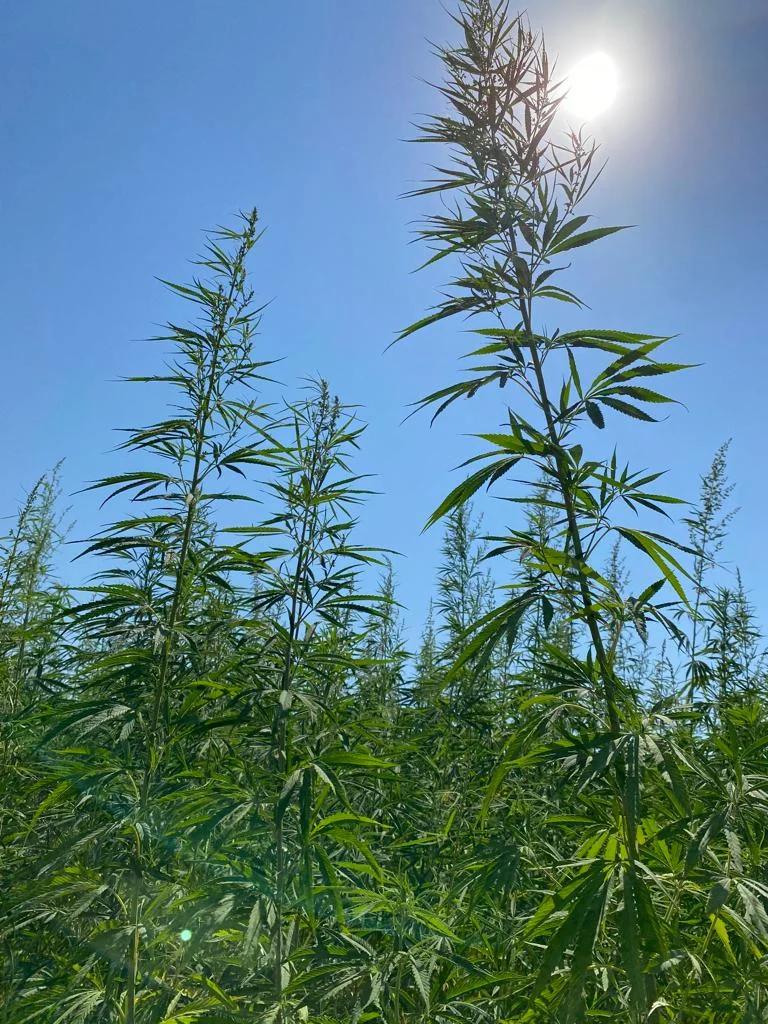
01 · SOIL
Roots that work for the land.
Hemp grows fast and dense, so it shades out weeds and reduces the need for herbicides. Its deep roots improve soil structure, and the crop brings beneficial insects and more biodiversity to the field.


Agricultural Projects · Hemp
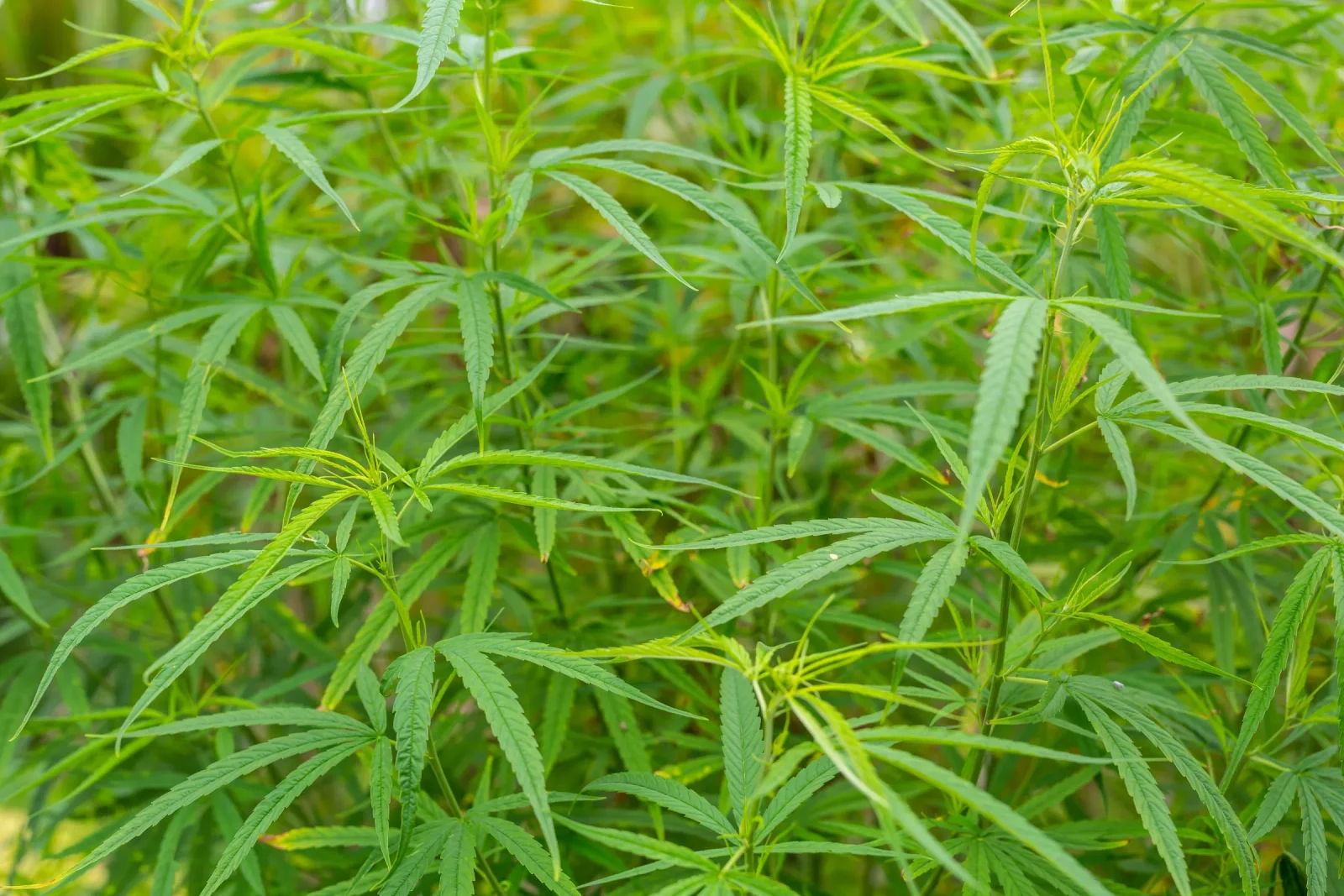
Kadeks develops sustainable fibre projects in Türkiye, and hemp is one of them. We grow hemp for textile fibre in the İzmir region, a crop that gives back to the soil, and turn it into hemp blend yarns and fabrics for your collection.
Why hemp?
Hemp is a natural bast fibre, taken from the stalk of the plant. Its deep roots loosen the ground, reduce erosion and leave the soil in better condition for the next crop. It also needs less water than cotton, and fewer fertilisers and pesticides.
Caring for the land is part of how Kadeks works. Alongside organic and regenerative cotton, hemp is one of our sustainable fibre projects in Türkiye, grown close to our base in İzmir and developed into blends ready for knitting and weaving.
In the field
01 · SOIL
Hemp grows fast and dense, so it shades out weeds and reduces the need for herbicides. Its deep roots improve soil structure, and the crop brings beneficial insects and more biodiversity to the field.
02 · Fibre
Our hemp is grown for fibre, not for seed or oil. It is harvested before flowering, for better fibre performance and easier blending. After drying in the field, the bast fibre is separated from the woody core and prepared for spinning.
Hemp blends
Stalk separation and fibre preparation come before spinning. The preparation route helps determine how hemp can enter the yarn and the resulting fabric.
Kadeks’s published developments include hemp blended with organic cotton, TENCEL™ fibres, linen, silk, wool and recycled polyester. The composition is a starting point for discussing the handle and requirements of your project.
The published range spans knits such as single jersey, rib, interlock and French terry, alongside woven poplin, piqué, canvas and twill. Confirm the current options, finish and sample for your chosen application with our team.
Project milestones
Kadeks’s original hemp page records Egedeniz Group hemp farming in İzmir, placing the textile material in its regional agricultural context.
Egedeniz documents its harvest, field drying and fibre-separation work with machinery partner ASTAB.
Egedeniz presents a poplin made with 50% hemp and 50% organic cotton—a concrete example of bringing hemp into a woven textile.
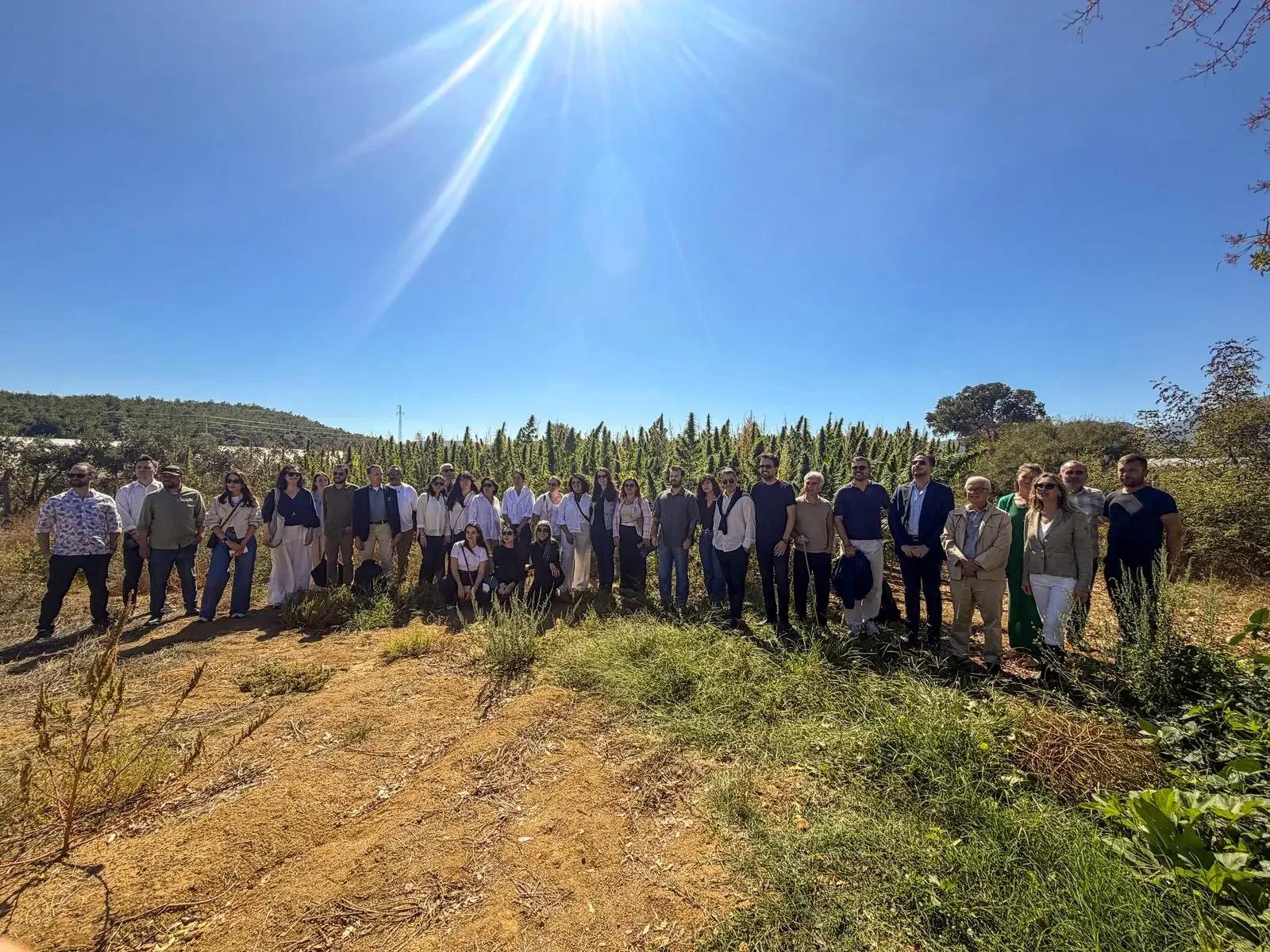
HempTex Türkiye V.01 brought growers, researchers and textile producers together in İzmir on 24–25 September 2026. The event began with a visit to Powerseed’s hemp field in Menderes, followed by a day of talks on growing, processing and using hemp in textiles.
Your next project
Looking to lower the carbon footprint of your materials? Tell us the yarn or fabric you have in mind, your preferred blend and your sampling needs. Our experts will help you find the right hemp option.
Discuss a hemp project